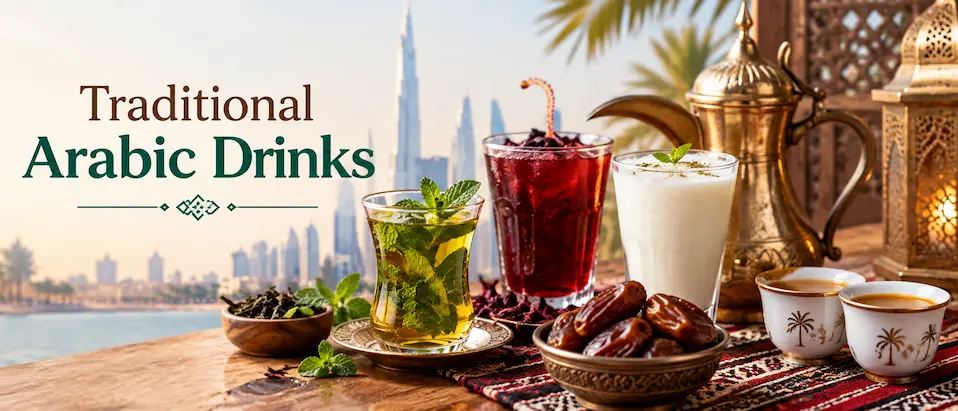
Walk into almost any home, office or hotel lobby in the UAE and sooner or later someone will put a small cup in your hand. It might be gahwa, poured a thimbleful at a time. It might be a glass of karak so strong and sweet it beats an alarm clock. Traditional Arabic drinks are not filler between meals here. They are how people say welcome, how a slow conversation gets started, and how families stretch Ramadan evenings long past iftar.
This guide walks through the drinks you will actually meet in the Emirates: what goes into them, what they taste like, when people reach for them and how to accept or order one without feeling lost. A few are Emirati to the core. Some came from the Levant. Karak arrived with South Asian workers and settled in so completely that nobody bothers to argue about it any more. All of them are non-alcoholic, which suits the local tradition perfectly.
Short on time? The table below gives you the whole picture in about thirty seconds.
Traditional Arabic drinks at a glance
| Drink | Served | What it tastes like | Best moment |
| Gahwa (Arabic coffee) | Hot | Light roast with cardamom, fragrant, lightly bitter, no sugar | Welcoming guests, majlis evenings, with dates |
| Karak chai | Hot | Strong black tea, evaporated milk, cardamom, plenty of sugar | Mornings, late afternoons, night drives |
| Herbal and loomi teas | Hot | Sage, anise or mint; loomi is sour and earthy | After a heavy meal |
| Jallab | Cold | Dates, grape molasses and rose water, with pine nuts and raisins | Hot afternoons, iftar |
| Tamar hindi | Cold | Tamarind, sour first and sweet second | Summer heat, iftar |
| Qamar al-din | Cold | Apricot, thick, fruity and sweet | Iftar |
| Laban | Cold | Cultured milk, tangy and often lightly salted | With grilled meat and rice dishes |
| Carob juice | Cold | Earthy, molasses-like sweetness | Ramadan, traditional cafes |
| Camel milk | Chilled | Creamy, mild and slightly salty | Breakfast, Emirati cafes |
Why a cup means so much in Arab hospitality
Hospitality in the Gulf grew out of desert travel, where a host who could offer water, dates and coffee was offering real relief. The habit outlived the caravans. It simply moved into the majlis, the hotel lobby and the office pantry. Wikipedia’s entry on Arabic coffee describes it as a drink for family gatherings and for receiving guests, and that matches what any UAE resident will tell you: the cup arrives before the conversation does.
That is also why the unwritten rules around drinks feel gentle but real. You accept what is offered. You do not rush. You let the host decide when the cup is done. Once you understand that, a drinks list stops looking like a menu and starts looking like a set of small social moves.
Hot drinks that keep the majlis going
Gahwa, the Emirati welcome cup
Gahwa is not the coffee on a cafe menu. The beans are roasted light, ground coarse and boiled with cardamom, and depending on the family, saffron, cloves or a few drops of rose water may go in too. The result is thin, fragrant and lightly bitter, with no milk and no sugar. That is exactly why it arrives with dates. The sweetness of the fruit and the bitterness of the coffee balance each other.
It is poured from a dallah into a small handleless cup called a finjan, and only a little at a time so the coffee stays hot. According to the Abu Dhabi cultural heritage description of gahwa, the server holds the pot in the left hand and the cup in the right, and the whole tradition follows an etiquette for server, guest and host. The same page notes that UNESCO recognises Arabic coffee as intangible cultural heritage, a listing the UAE shares with Saudi Arabia, Oman and Qatar.
One practical tip: when you have had enough, give the empty cup a gentle side-to-side shake before handing it back. Otherwise the server will keep filling it, politely, for as long as you sit there.
Karak chai, the cup everyone has an opinion about
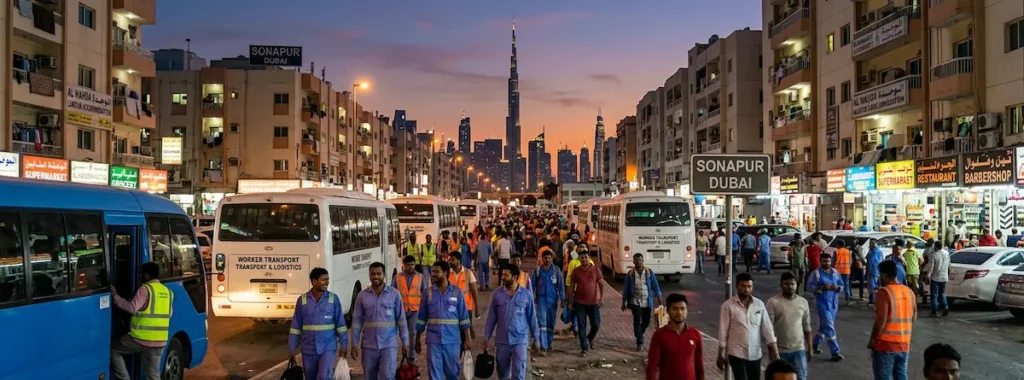
Karak comes from a word meaning strong in Hindi and Urdu, and the drink lives up to it. Black tea is boiled hard with evaporated milk, cardamom and plenty of sugar until it turns the colour of caramel. South Asian workers brought the habit to the Gulf, and it took over so thoroughly that it now sits beside gahwa as an everyday drink. You will find it in tiny cafeterias in Karama and Deira, at roadside stalls late at night, at petrol stations and in polished tea lounges. In older neighbourhoods a cup often costs only a few dirhams.
Karak is a cousin of masala chai, and Wikipedia’s page on masala chai notes that in the Gulf it goes by the name chai karak. In practice, karak tends to use fewer spices and more milk, with cardamom and sometimes saffron as the usual extras. The same Karama and Bur Dubai streets appear in our guide to the best South Indian restaurants in Dubai, which is a good next stop if you want a proper meal to go with your tea.
Herbal and dried lime teas
Not every hot drink is coffee or karak. Sage, anise, mint and cardamom infusions are common at home and in traditional cafes, especially after a heavy meal. Dried lime tea, known as loomi, is sour and earthy, and it takes a second cup to decide whether you like it. Plenty of people do, and the ones who do are loyal.
Cold drinks for a country that lives in the heat
Summer here is long, so the cold section matters. These are the drinks people actually order when the afternoon feels like an oven.
Jallab
Jallab is a syrup of dates, grape molasses and rose water. It is stirred into iced water and finished with pine nuts and raisins. The Levant is its home, and Wikipedia’s entry on jallab lists Lebanon, Palestine and Syria as its place of origin, but it has been a regular in UAE restaurants and Ramadan tents for a long time. The first sip is sweet and floral. The raisins at the bottom are your reward for finishing.
Tamar hindi
The name means Indian date, which is how Arabic speakers described the tamarind fruit. The drink is tamarind pulp soaked in water and sweetened, and it arrives sour first and sweet second. The Wikipedia page on tamr hindi is a decent starting point if you want to read about the name and its place at Ramadan tables. It is the kind of drink that makes you wince slightly and reach for another sip. Cafes keep it icy cold through summer, and it turns up on iftar tables too.
Qamar al-din
Qamar al-din means Moon of the Faith. It is made by soaking sheets of dried apricot paste until they dissolve into a golden, nectar-thick drink, usually with a little sugar and a splash of orange blossom water. Wikipedia traces it to Syria and notes that it is often drunk during Ramadan, which is when you will see it in most UAE homes. It is thick enough to feel like a small meal, so pour a small glass first.
Laban
Laban is a cultured milk drink, close to ayran, served cold and often lightly salted. It is tangy rather than sweet, which is exactly why it works with rich food. A glass next to grilled meat or a plate of spiced rice cuts through the fat and resets your palate. If shawarma is your regular lunch, our local’s guide to the best shawarma places in the UAE is worth reading with a cold cup of laban in mind.
Carob juice and camel milk
Carob juice is made from the pods of the carob tree or from carob molasses. It tastes earthy and sweet, a bit like a lighter cousin of cocoa, and you will see it in traditional cafes and during Ramadan. Camel milk is more of a regional curiosity than a daily drink for most residents, but it is easy to find in supermarkets and Emirati cafes. Expect a creamy, mildly salty taste that surprises first-timers in a good way.
Ramadan and iftar: the drinks that matter most
During Ramadan the cold drinks stop being optional. Most families start iftar with dates and water, then move to something sweet and cold. The table below shows what usually appears and why it works after a day of fasting.
| Drink | Why it suits iftar | Practical tip |
| Qamar al-din | Thick, naturally sweet and filling | Serve well chilled, in small glasses |
| Jallab | Sweet, cooling and easy to sip | Add ice and nuts just before serving |
| Tamar hindi | Sour and refreshing against fried starters | Best with samosas and sambousek |
| Laban | Cool and gentle, balances heavy mains | Keep it unsweetened for the main course |
| Gahwa | Gives the evening a slow, social finish | Save it for after the meal |
Many homes also keep a bottle of Vimto cordial in the fridge during the month. It is not traditional, but it shows up on nearly every table anyway.
How the flavors compare
Words only go so far, so here is a quick visual. The chart scores each drink from 1 to 5 on sweetness, sourness, bitterness and body. It is an editorial guide based on typical recipes, not lab data, and a cup from your favourite cafe may differ.
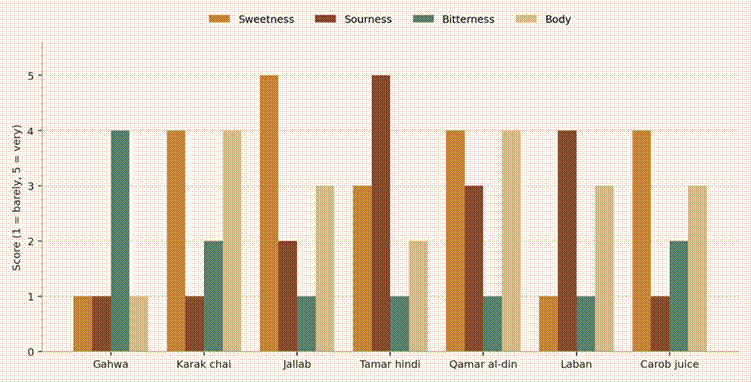
Flavor profile of traditional Arabic drinks (editorial scale, 1 to 5)
If you prefer to think in moments rather than flavors, the second chart shows when each drink usually appears. Darker cells mean the drink is more of a classic for that moment.
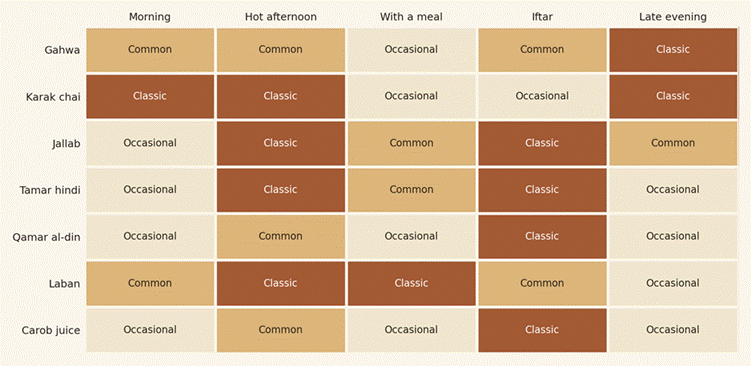
When each drink usually appears (editorial guide, not survey data)
What to eat with each drink
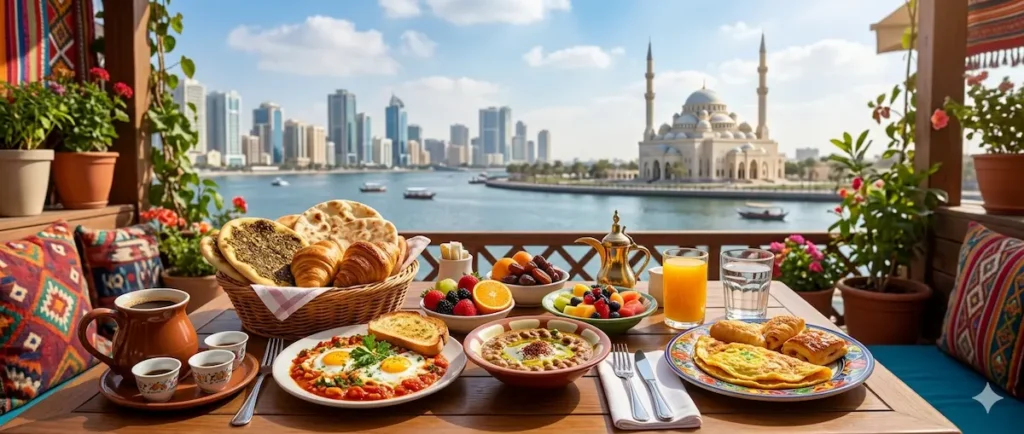
Drinks here rarely travel alone. These pairings are what you will see on real tables, from weekend breakfasts to late Ramadan evenings.
| Drink | Pairs well with | Why it works |
| Gahwa | Dates, luqaimat, halwa | Sweet bites balance the bitter cup |
| Karak chai | Paratha, samosas, chebab | Sweet, milky tea against salty or fried snacks |
| Jallab | Mezze and savory pastries | Sweetness offsets salt |
| Tamar hindi | Samosas, sambousek, fried starters | Sourness cuts through oil |
| Laban | Shawarma, grilled meat, rice dishes | Tang cuts through fat |
| Qamar al-din | Dates and light starters | Best at the start of a meal |
| Carob juice | Nuts and plain biscuits | Earthy sweetness needs little help |
Mornings deserve their own mention. If you want a table where gahwa and karak sit next to Arabic breakfast platters, our guide to the best places for breakfast in Sharjah is a good place to plan from.
Where to try traditional Arabic drinks in the UAE
You do not need a special trip. Most of these drinks are a short drive from wherever you live. Some places, though, make the experience better.
- Old Dubai. Al Fahidi, Deira and Karama are the easiest places to start. Heritage cafes in Al Fahidi serve gahwa, jallab and laban in a setting that suits them, and Arabian Tea House in the historic district is the name most visitors hear first. The same lanes of Al Fahidi and Bur Dubai come up in our guide to Nepali restaurants in Dubai, so a full evening of sips and food is easy to plan.
- Neighbourhood cafeterias. Any cafeteria with a steel kettle on the counter and plastic chairs outside will pour you a decent karak. Order it strong and ask for less sugar if you like.
- Sharjah and Abu Dhabi. Sharjah’s heritage quarter and the older streets around Mina in Abu Dhabi serve the same drinks at a slower pace than the malls.
- Your own kitchen. Most supermarkets stock laban, jallab syrup and dried apricot sheets for qamar al-din, so you can make much of this list at home in under ten minutes.
Small etiquette points worth knowing
| Situation | Do | Avoid |
| Gahwa is offered | Accept with your right hand and take at least a sip | Waving it away without a word |
| You have had enough | Shake the cup gently and return it | Leaving it on the tray and hoping the server stops |
| Dates on the tray | Take one, they are part of the experience | Treating them as decoration |
| Karak is too sweet for you | Ask for less sugar when you order | Asking for a fix after it is made |
Start with a small cup
Traditional Arabic drinks reward curiosity. Start with gahwa when someone offers it, follow with karak on a busy afternoon, and keep something cold for the hours when the sun wins. Then pick one you have not tried yet, whether that is loomi tea, carob juice or a thick glass of qamar al-din, and notice how it changes the meal around it. The UAE has a habit of turning strangers into guests, and most of the time a cup is how it happens.
Frequently asked questions
What are the most popular traditional Arabic drinks in the UAE?
Gahwa and karak chai lead the list because people drink them every day. Laban, jallab, tamar hindi and qamar al-din follow, especially in summer and during Ramadan. You can read more about the coffee in Wikipedia’s Arabic coffee entry and about karak’s spiced-tea family on the masala chai page.
What is gahwa made of?
Lightly roasted coffee beans and cardamom, boiled in a dallah. Some households add saffron, cloves or rose water. It is normally served without sugar and with dates. The Abu Dhabi heritage page on gahwa covers the utensils and etiquette in detail, and the Wikipedia article on the dallah) explains the pot itself.
Is karak chai the same as masala chai?
They are related but not identical. Masala chai leans on a blend of spices. Karak is strong tea boiled with evaporated milk, cardamom and sugar, usually with fewer spices. The masala chai page shows the wider family, including the Gulf name chai karak.
What does tamar hindi mean?
It means Indian date, the old Arabic name for tamarind. The drink is sweetened tamarind pulp served cold. See tamr hindi for more on the name and the drink.
Which drinks are best for iftar during Ramadan?
Qamar al-din, jallab, tamar hindi and laban are the usual cold choices after dates. Read about qamar al-din and jallab if you want the background before you try them.
Are traditional Arabic drinks alcohol-free?
Yes. Every drink in this guide is non-alcoholic. Alcohol is regulated in the UAE and served in licensed venues, so it is not part of everyday hospitality.
Where can I try these drinks in Dubai, Sharjah or Abu Dhabi?
Start with Al Fahidi, Deira and Karama in Dubai for heritage cafes and cafeterias, and see our notes on Nepali restaurants in Dubai for the Bur Dubai side. For a morning table, use our Sharjah breakfast guide. In Abu Dhabi, the older streets around Mina are a good starting point.
Can I make jallab or qamar al-din at home?
Yes. Jallab syrup is stirred into iced water, and dried apricot sheets are soaked, blended and sweetened. Both are sold in most supermarkets. The Wikipedia pages on jallab and qamar al-din explain what goes into each.
Are these drinks high in sugar?
Many are. Karak, jallab and qamar al-din are sweet by design, while gahwa and laban are far less so. If you are watching your sugar, ask for less in your karak and lean on gahwa or laban. This is general information, not medical advice.
Related posts from Arab Market Trends
- Al Karama Fish Market Dubai: A Complete Local Guide for Seafood Lovers Where to shop and eat seafood in one of Dubai’s best-known markets.
- Best Kerala Restaurants In Abu Dhabi For Authentic Malayali Food Neighbourhood spots in Abu Dhabi that cook proper Kerala food.
- Kite Beach Dubai: The Complete Local Guide to Dubai’s Most Loved Shoreline A free, easy stretch of Jumeirah coast for long afternoons.
- Quranic Park Dubai: A Complete Guide to Al Khawaneej’s Garden of Stories A quiet green space in Al Khawaneej worth a weekend visit.